
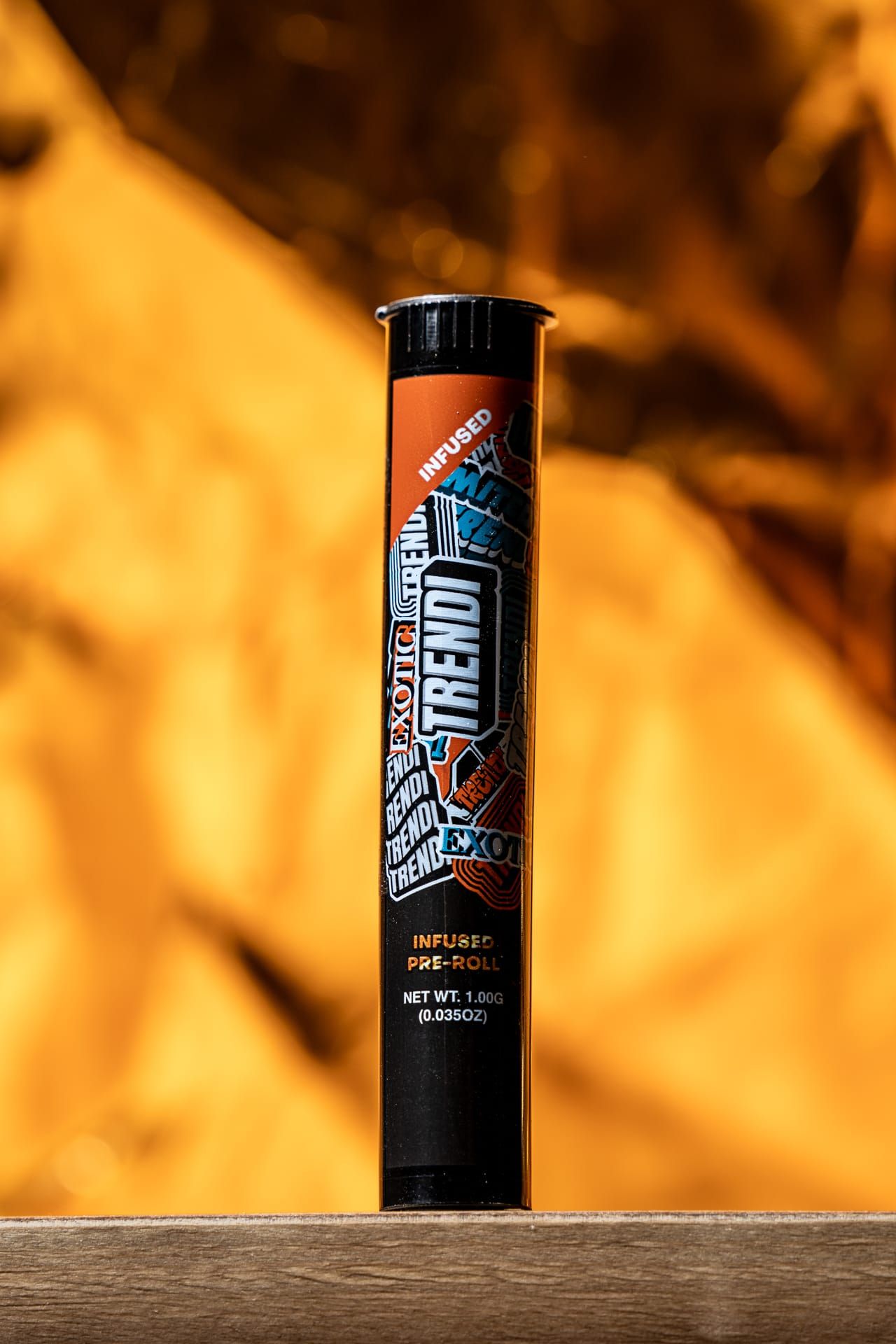
The solventless chain has four steps and no chemistry set. Freeze, wash, press, package. Each step consumes what the last one produced, and the whole chain traces back to a single harvest.
Freeze
Flower is flash-frozen at harvest. This is the fresh-frozen material every live product starts from, and it is the step that preserves the aromatic compounds the rest of the process is trying to keep.
Wash
The frozen material is agitated in ice water. Cold makes the trichome heads brittle enough to break away from the plant, and water carries them off without dissolving anything. The slurry is filtered through a stacked set of bags of decreasing mesh size, so each bag collects a different size fraction. What comes out is bubble hash, also called ice-water hash.
The star rating, and what it decides
Bubble hash is graded on a six-star melt scale, which tracks how cleanly it vaporizes and therefore how much plant material came along with the trichome heads. The grade decides the lot's fate.
One to two star is the coarse end, used for cooking and edible production.
Three to four star is half-melt, the usual press grade, and the typical input for hash rosin.
Five to six star is full-melt, clean enough to vaporize completely, and it is often packaged and sold as a finished concentrate rather than pressed.
So bubble hash is both an intermediate and a finished product. The same substance goes two ways depending on how clean it came out.
Press
Press-grade hash goes between heated plates under pressure and the oil runs out. Hash rosin presses relatively cool, roughly 140 to 200 degrees Fahrenheit. Cooler presses favor flavor and stability; hotter presses favor yield. That trade-off is the whole craft of the step, and where an operator sets it is a judgment call rather than a fixed number.
Package
The finished rosin is packaged into the retail unit you buy, which carries its own lab results. From there it is a jar of concentrate or the fill in a vape, because the same material can be sold either way; form factor decides the category, not chemistry.